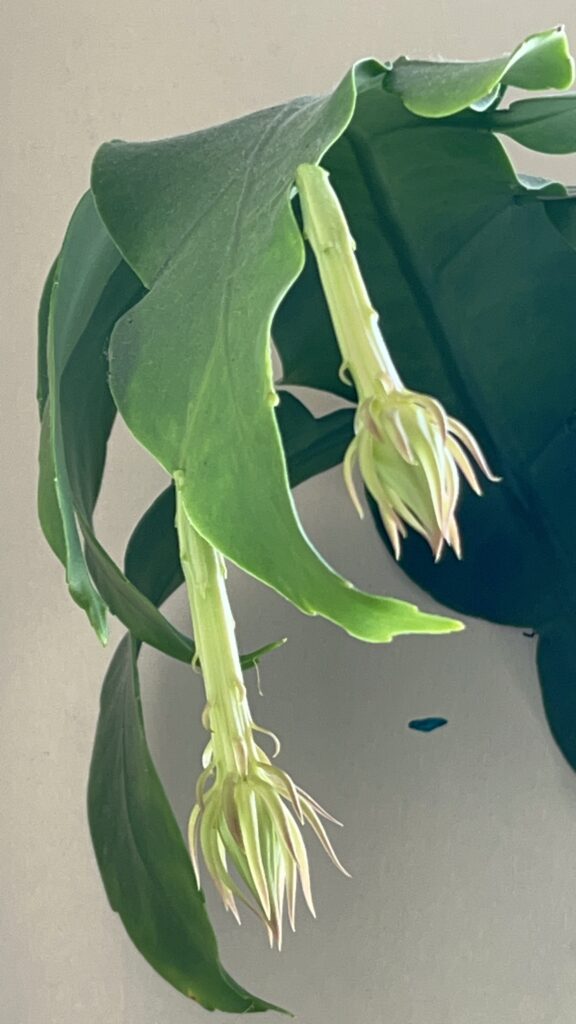
Introduction:
The Brahma Kamal, scientifically known as Saussurea obvallata, is a rare and sacred flower admired for its beauty, mystery, and cultural importance. It flourishes in the harsh and cold high Himalayan regions of India, Nepal, and Tibet. One of its most fascinating features is its brief blooming period—it blooms at night, often only once a year, and fades by morning, making its appearance truly magical.
Habitat and Growth:
At high altitudes, Brahma Kamal thrives in harsh weather. Despite freezing temperatures and rocky terrain, the flower survives and blooms, symbolizing strength and resilience. It is even more unique and rare because it can thrive in such challenging environments. Relevance to Religion and Culture In India, the Brahma Kamal holds deep religious importance. It is commonly offered in temples, especially in Uttarakhand, and is believed to be associated with Lord Brahma, the creator in Hindu mythology. The flower represents purity, divine blessings, spiritual growth, and inner strength.
Physical Manifestation and Aroma The Brahma Kamal has a calm and graceful appearance. The flower has a delicate appearance because its creamy white petals are protected by supple, pale bracts. It gives off a sweet scent when it blooms in the moonlight, adding to its peaceful and mysterious appeal. Medicinal Purpose Brahma Kamal is valued in traditional medicine for its healing properties in addition to its spiritual significance. Natural remedies have utilized various parts of the flower, enhancing its overall significance. Conservation and Protection
The Brahma Kamal is now protected because of its rarity and excessive harvesting. Conservation efforts are essential to ensure its survival in the wild and to preserve this unique flower for future generations.
Conclusion:
We are reminded by the Brahma Kamal that some of life’s most beautiful moments are brief, rare, and quiet. Even though it only blooms for a short period of time, its beauty, symbolism, and memory continue to arouse reverence and admiration.